From local meat to farm profitability: The essential role of small abattoirs

  • 30.09.2025
  • article
  • Abattoirs
  • Local Businesses
  • Small Farms
  • Sustainable Livestock
  • Imogen Crossland

The SFT’s Senior Research Officer, Imogen Crossland, highlights the case study farmers featured in our Abattoir Users Survey 2025 report, which provide tangible examples of how abattoirs support diversification, profitability and resilience for farm businesses.

Concerns are growing around the provenance, ethics and sustainability of meat. For those who choose to eat it, knowing how and where the animals have been reared is increasingly important, especially as the environmental, animal welfare and human health consequences of industrial livestock production continue to be made clear. But the opportunity to choose traceable, locally sourced meat is under threat. Across the country, small abattoirs are closing at an alarming rate, with serious knock-on effects for farmers, local retailers and the communities they serve.

Earlier this year the Sustainable Food Trust, alongside the Soil Association and Rare Breeds Survival Trust, surveyed 850 livestock farmers across the UK, many of them operating agroecological systems with native breeds, to understand the importance of small, local abattoirs for their businesses. We asked what the impact might be of further abattoir closures, rising slaughter costs and the loss of key services often provided by smaller abattoirs, such as provision for particular breeds and species, or ‘private kill’, where the meat is returned to the producer to be sold directly to customers.

While the results revealed the importance of local abattoirs for livestock farms of all shapes and sizes, the dependency was greater for some than others, especially among those supplying local markets. If their abattoir were to close, 43% of farmers said they would no longer be able to sell their meat locally, while 29% would consider shutting their meat business altogether. Sadly, the impact of abattoir closures is already being felt, with a third of respondents having seen their local abattoir close in the last five years.

More than half of farmers (58%) believed their business would no longer be profitable without the ability to sell direct or locally. For many, this is because selling through short supply chains, including farm shops, farmers markets and meat boxes, combined with adding value to their meat and other by-products, are integral to their business viability.

The case studies featured in our survey report provide tangible examples of how abattoirs support diversification, profitability and resilience for farm businesses.

Farm retail: Essington Farm Shop, Wolverhampton

Essington Farm Shop has been retailing quality home-grown produce since 1892. Its award-winning butchery and deli are central to the business, accounting for more than half of its annual turnover.

The farm shop has seen steady growth, with butchery sales rising by 10% year-on-year.

Much of this success is attributed to growing customer concern about how meat is produced, especially around health, environmental impact and animal welfare. Demand for traditional counter service by a butcher has also increased, driven both by renewed interest in home cooking and the limited choice of pre-packed meat products in supermarkets.

Access to their local abattoir is fundamental to the continuing success of Essington Farm’s retail operations. Pigs and cattle reared on the farm, alongside livestock from neighbouring farms, are slaughtered there before the carcases are returned to the butchery for processing. If the abattoir were to close, the impact would be severe, risking the loss of around £2.25 million worth of sales and over 20 redundancies. Essington Farm would effectively lose its ability to meet the strong demand for high-welfare, local meat among the community.
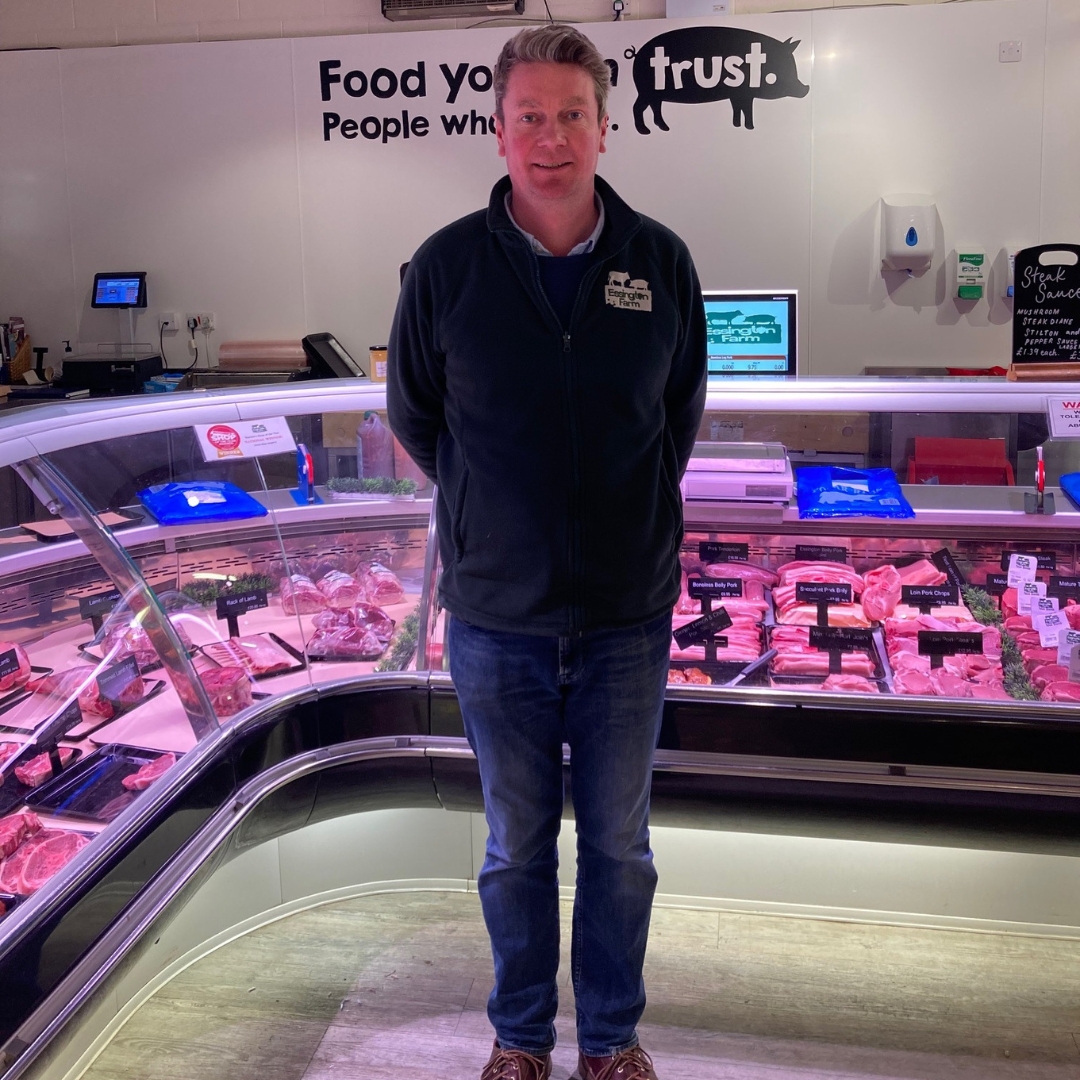
Will Simkin, Essington Farm


Catering: Lilliput Farm Kitchen, Bath

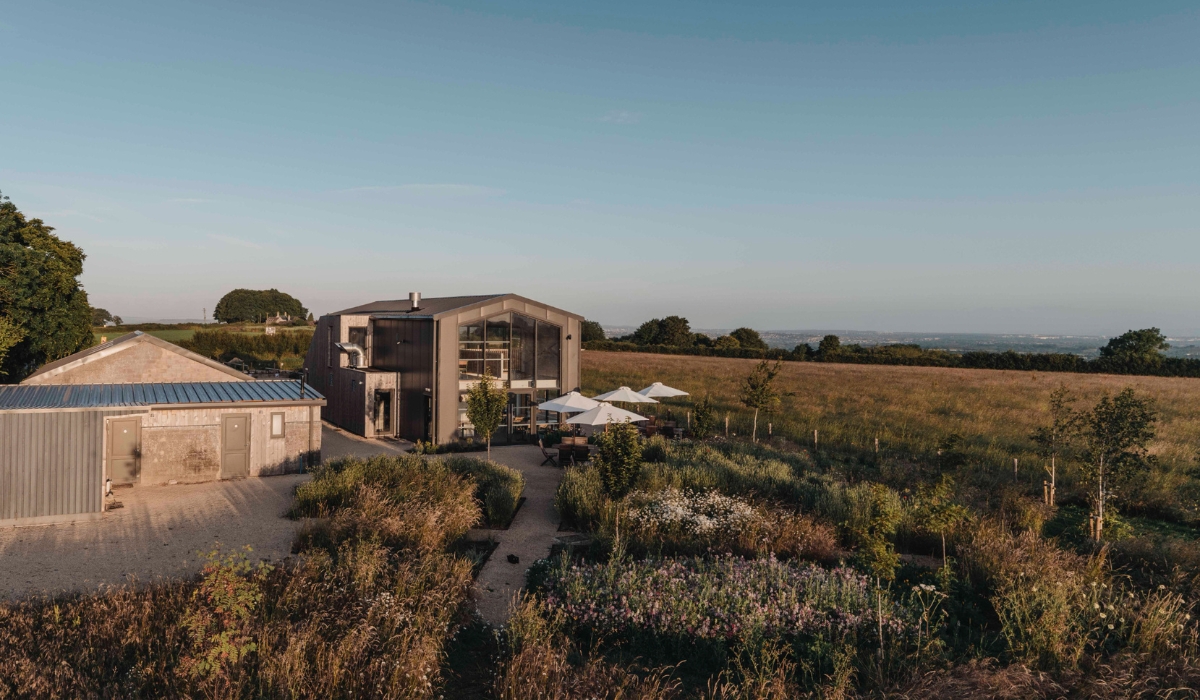
Lilliput Farm Kitchen is the first restaurant in England to be certified by Pasture for Life, guaranteeing that all the beef it serves comes from animals raised on 100% grass and forage, with no grain or soya. Customers often travel long distances to eat beef from animals they can see grazing just outside. The restaurant offers more than just delicious food: it provides an opportunity to show people how the animals were raised and why this matters, from soil health and biodiversity to animal welfare, building long-term customer trust and support.

The cattle live outdoors year-round and are reared to full maturity at three years before being slaughtered at a small abattoir in Bromham. The beef is then dry-aged and butchered on-site. This model allows Head Chef Debbie Nickolls and Sous Chef Liam Bradley to use the whole animal across seasonal menu dishes and frozen retail packs.

By minimising waste and selling their beef direct, Lilliput adds over £1000 of value per animal – a 50% uplift on typical market returns. But without the local abattoir, Lilliput’s business model would collapse as the beef could not be processed or sold on-site. A profitable, transparent alternative to industrial meat would disappear.

Lilliput Farm
Lilliput Farm Kitchen


More than meat: British Pasture Leather

The decline of small abattoirs doesn’t only threaten the supply of local, traceable meat. It also undermines the ability of other industries using animal by-products, such as leather, to source traceable, sustainable materials. In the past, hides and skins were a valuable source of income for abattoirs, earning around £45 per cattle hide and £6.50 per lamb skin. Now the situation is reversed, with abattoirs paying large amounts to have them taken away as waste, as the UK tanning and leather industry has declined.

British Pasture Leather is working to change this. It has established the first supply chain dedicated to producing leather from the hides of cattle raised on regenerative farms in the UK. As part of this work, the organisation has explored ways to enhance the value of hides by piloting traceability systems within smaller abattoirs, enabling farm-level information to be transferred to the finished leather. They continue to cultivate relationships with British brands and leather users who are committed to supporting the resilience and evolution of these vital systems. The business is also looking to propose pilot projects which seek to establish new and secure markets for hides and skins from small, local abattoirs.

Our survey suggests that farmers are keen to explore this potential for adding value to their livestock products: nearly 400 respondents said they would be interested in collecting their hides from the abattoir if there were options for further processing or the service of salting and shipping to a processor.

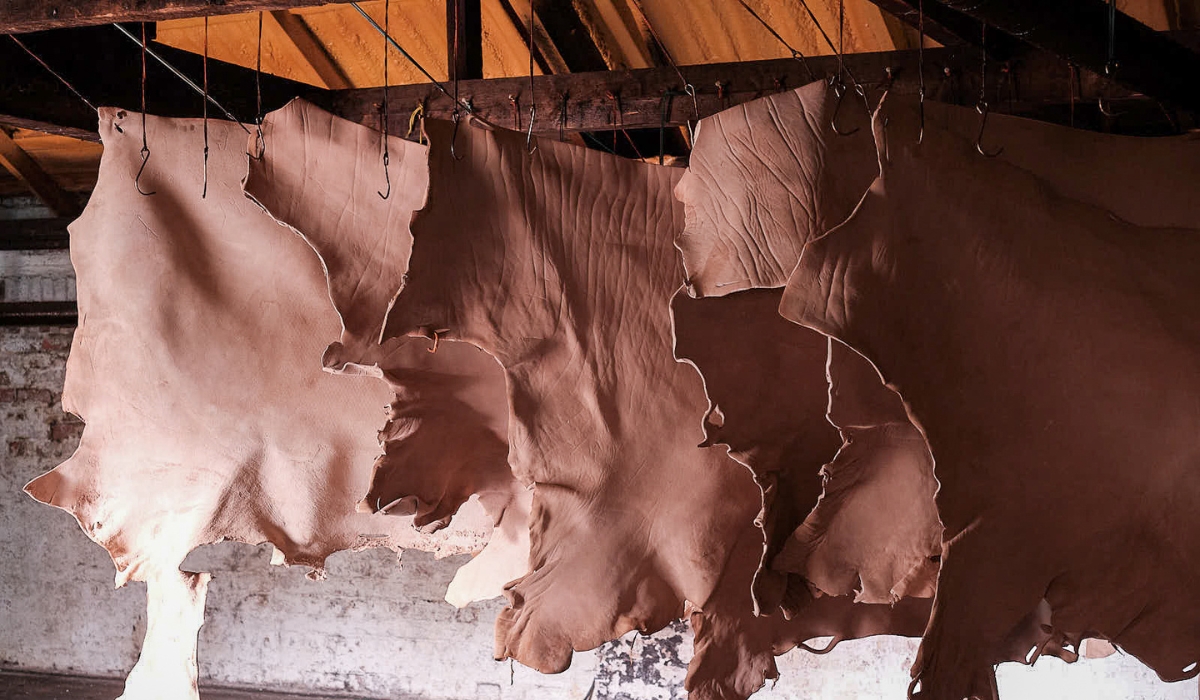
Leather drying hides (British Pasture Leather) Credit Jason Lowe
Leather drying hides (British Pasture Leather) – photo by Jason Lowe


A positive future for local meat?

These case studies and our survey findings demonstrate the serious impact that further abattoir closures, cost increases and loss of services would have on farming businesses and local meat (and leather) supply chains. On the other hand, it also shows what could be achieved if there was a thriving network of small, local abattoirs. With better access to abattoir services, 27% of farmers said they could sell meat direct or locally, and 18% would consider opening a retail business. In other words, farmers would feel more optimistic about the future and build confidence to diversify and strengthen their businesses.

That said, diversification is not realistic for everyone. Setting up a farm shop, restaurant or online retail requires significant investment, time and new skills, from processing to digital marketing, and it also carries financial risk. These barriers must be addressed, as highlighted in the Local Food Growth Plan, alongside broader support for sustainable, resilient livestock systems.

Progress has already been made, including the 2024 Smaller Abattoir Fund and most recently the UK’s updated BSE negligible risk status, which should ease operational burdens and release financial savings for smaller abattoirs. However more work is needed, from safeguarding existing abattoirs to investing in new infrastructure and services.

The 2025 Abattoir Users Survey was carried out by the Sustainable Food Trust, Soil Association and Rare Breeds Survival Trust, with support from other members of the Abattoir Sector Group. To read the full Abattoir Users Survey 2025 report and see a list of recommendations, click here.

We would like to thank Essington Farm, Lilliput Farm and British Pasture Leather for generously providing the case studies featured in the report.

Graphic separator Graphic separator