Slow journeys across the world: How pastoralism can help us recover our relationship with the land

  • 01.06.2026
  • article
  • Environmental Issues
  • Labour and Livelihoods
  • Sustainable Livestock
  • Olivia Boothman

This year, as recognised by the FAO, marks the International Year of Rangelands and Pastoralists. Nowadays pastoralism is associated by many with idyllic ‘country life’ (think Land Rovers, black and white cows and lambs frolicking in fields demarcated by barbed wire fencing). Here, Olivia Boothman uncovers its true meaning and origin, and what we could learn from pastoralist practices to transform our farming systems and to rebuild a sense of connection between people and the environment that supports us.

The BBC’s ‘Race Across the World’ recently featured an episode where the contestants traversed Kyrgyzstan as quickly as possible to make it to their next checkpoint. This contrasts with the intentional and considered journeys that are made across the plains and mountain ranges of Kyrgyzstan every year as pastoralists herd their animals to pastures new. What was portrayed well, however, were the idylls of rural life in this country, sustained by land-based activities. Two young men from Liverpool paid their dues for their overnight stay by helping with the walnut harvest, another team rode on horses to enjoy the vast scenery.

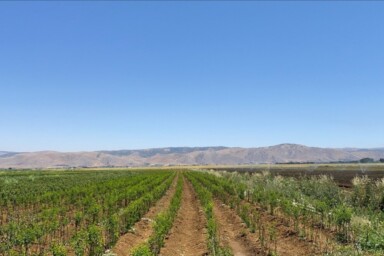
Pastoralism, etymologically, originates from the word pastor, meaning ‘shepherd’. But it has also come to be associated with idyllic ‘country life’. These days though, ‘country life’, in many people’s minds (at least here in the UK), is Hunter wellies, Land Rovers, black and white cows, endless horizons of knee-high golden crops and lambs frolicking in fields demarcated by barbed wire fencing – a far cry away from ‘true’ pastoralism.

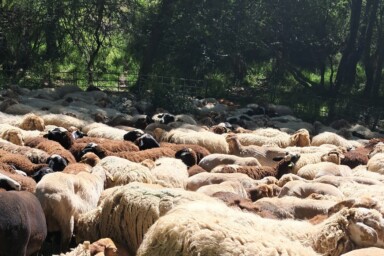
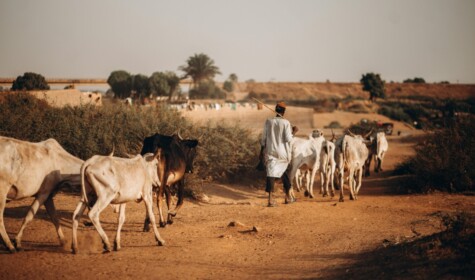
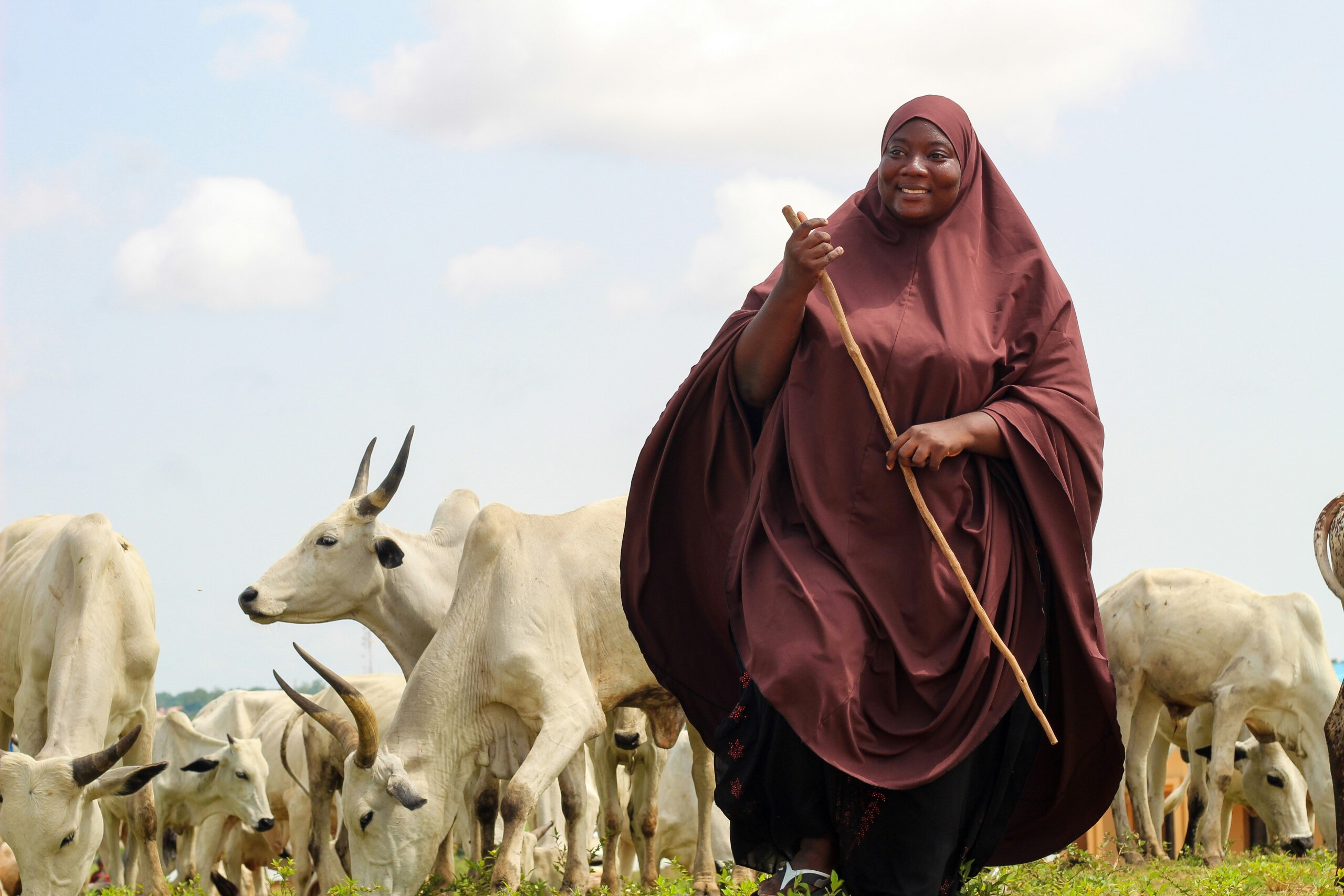
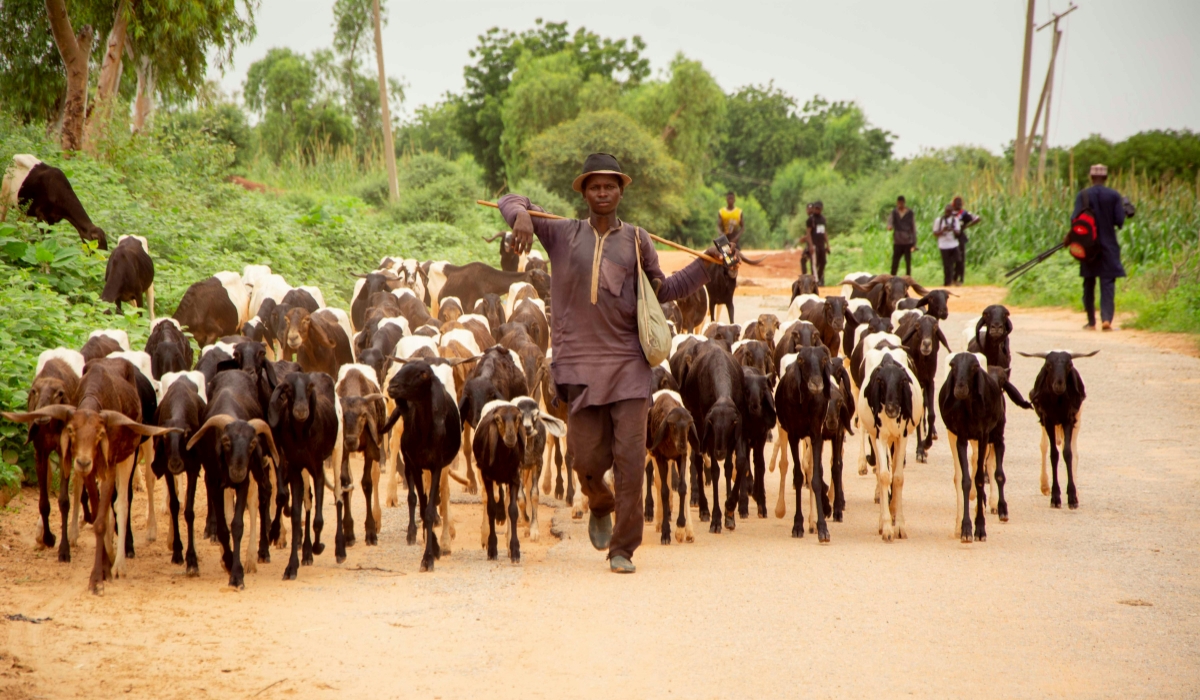
Pastoralists are people whose livelihoods depend primarily on herding domesticated or semi-domesticated animals, which feed mainly on natural rangelands, often involving seasonal or regular movement between grazing areas. According to the Food and Agriculture Organisation (FAO) of the United Nations.

Since, it is no surprise that the FAO is urgently trying to protect them. This is absolutely essential, but more than this, should we be using this ‘International Year of Rangelands and Pastoralists’ to think about what we can learn from pastoralism to inspire our own farming future?
I spent my years as a farm vet regularly applying chemical and mechanical solutions to human-engineered problems. We give anti-parasitic medicines to overcome the problem of high stocking density; we inject our dairy cow with hormones if she doesn’t get pregnant immediately after calving because we have pushed her body into a negative energy balance in order to reach high milk yields; we supplement our livestock’s diets with manufactured products because they are confined inside or limited by a monoculture field of grass and can’t forage for the necessary nutrients and natural medicines to keep themselves healthy; we use adapted angle grinders to maintain cows’ feet so that they can withstand walking on concrete cow tracks while their udders are unnaturally heavy. We have unintentionally engineered farming systems that require continual pharmaceutical and other interventions because ecological regulation has been removed.

“Human survival within pastoral systems depends on striking the right balance between production and restoration – a reciprocal relationship between people and landscape that is often lacking in conventional farming systems today.”

Pastoralist systems, on the other hand, mimic natural patterns. They evolved as a way of living within the ecological limits of the landscape. Seasonal movement prevents overgrazing of pasture, allowing vegetation and soils to recover whilst also interrupting the life cycle of parasites, reducing disease burden and the need for chemical intervention. Grazing animals moving across diverse terrains contribute to wider ecosystem processes, cycling nutrients, dispersing seeds and maintaining habitats that support wildlife. Pastoralism can therefore be understood not just as a food production system, but as a form of landscape stewardship. Human survival within pastoral systems depends on striking the right balance between production and restoration – a reciprocal relationship between people and landscape that is often lacking in conventional farming systems today.

I am not suggesting that we have to transform Britain into rewilded plains – that is neither feasible nor necessarily appropriate, but adapting our farming systems to reintroduce ecological principles is essential to our survival – as outlined in the latest report from the Nature Friendly Farming Network. There is evidence that this reality is gaining recognition. Some regenerative agriculture approaches are rediscovering principles long embedded in pastoral systems. ‘Mob grazing’ would have been the word of the year a few years ago if we had a farming dictionary. Herbal leys are becoming increasingly popular. There is growing evidence that by allowing livestock access to ‘browse’, such as willow, their mineral and vitamin status is enhanced.

I would love to imagine that this shift will see a fundamental redefinition of roles across the food system. For vets in particular, it could mean moving from being primarily responders to disease towards becoming interpreters of systemic health – working at the intersection of animal wellbeing, human and ecological health and landscape resilience.  As vets, we are already trained ‘systems thinkers’, understanding health through the interactions within one system, the body. This perspective could be broadened to encompass the wider systems animals are part of. Veterinary expertise would not diminish but shift and expand – integrating ecology, nutrition, behaviour and systems thinking into a more preventative and advisory role, working with farmers and ecologists to break down the silos and see the system as one.

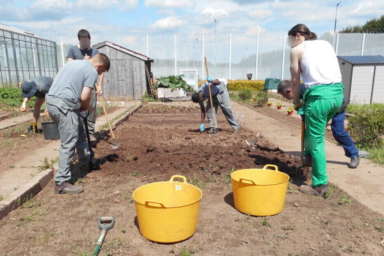
But it is not just for farmers and vets to be inspired by pastoralism. Pastoralists are people who know the land deeply, their survival and the continuation of their way of life for generations to come depends on their preservation and regeneration of the landscape. Through researching pastoralism, what has struck me most is the mirror it holds up to the connection between people and the land that holds them. We treat landscapes as production units and playgrounds for our amusement rather than living systems that will support us, provided we support them. This is why the Sustainable Food Trust has developed the Beacon Farms Network, to provide opportunities for people to reconnect with nature and understand where their food comes from through ‘seeing is believing’ experiences on farms for both children and adults.

Each of us can do something today, however small, to reconnect to the water, the soil, and the living organisms that sustain us. These small acts matter because they interrupt the quiet separation and begin to rebuild a sense of connection between people and the environment that supports us. And that connection, as pastoralists have long demonstrated, compels us to protect that which sustains us, to recognise that our home planet does not consist merely of resources to be extracted, but of living systems of which we are a part.


Featured images courtesy of pexels/canva/Unsplash.

Graphic separator Graphic separator