Having recently spent some time in Egypt, our Global Farm Metric Trials Manager, May Wheeler reflects on what she learnt about the country’s agricultural practices and sustainability efforts, and how companies like SEKEM are working to ‘regreen’ the desert.
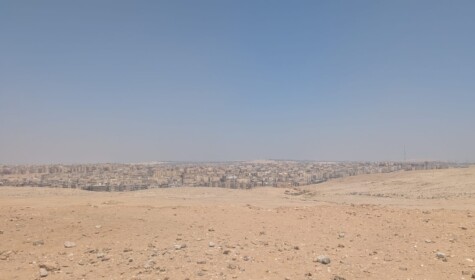
Driving through the outskirts of Cairo, the Egypt I had imagined since childhood – an ancient land of mystery, mummies and desert civilisations – flickered past the open taxi window. Warm air, glimpses of the Nile and the hazy glow of the city began feeding the kind of curiosity that often borders on romanticism.
Yet after an hour bumping along potholed roads through dusty midnight streets, surrounded by concrete tower blocks, stray dogs and clusters of young men smoking shisha, I began quietly preparing myself for the inevitable disappointment that sometimes follows the collision between childhood imagination and reality – an Egyptian version of Paris Syndrome, perhaps.
Eventually, after a few wrong turns and late-night pit stops for black tea brewed with fresh mint and sugar, the roads widened and the concrete began to thin and palm trees interrupted the sand. We had arrived at a gate welcomed by two men with the warmth and familiarity that I would later learn characterises so much of Egyptian hospitality.
Inside was another world entirely. Corridors of hibiscus bushes and trees frame softly curved buildings and fields of green. The air felt cleaner. We had arrived at SEKEM, a project founded in 1977 by Ibrahim Abouleish with the seemingly impossible ambition of regreening the desert and creating fertile farmland from sand.
I had travelled there through a volunteer scheme at the Sustainable Food Trust, where I’ve spent the last five years working on the Global Farm Metric; a framework to capture the social, economic and environmental factors important to farm sustainability across the world. Driven by a constant fascination with how other parts of the world live, work and eat, I wanted to understand what farming looks like in the desert. How can food possibly be grown on such sandy soils? How much has industrial agriculture transformed Egypt? What can Egypt teach us about sustainability, culture and farming systems? And, of course, I wanted to see the pyramids.
Now, I should say from the outset that I am far from an expert in Egypt or Egyptian agriculture. What follows is drawn from conversations, observations, reading and a short time spent at SEKEM. If anything here is incorrect or incomplete, I would genuinely welcome corrections and reflections.
Egypt’s agricultural inheritance
As with the pyramids themselves, Ancient Egyptian agriculture holds an element of mysticism.
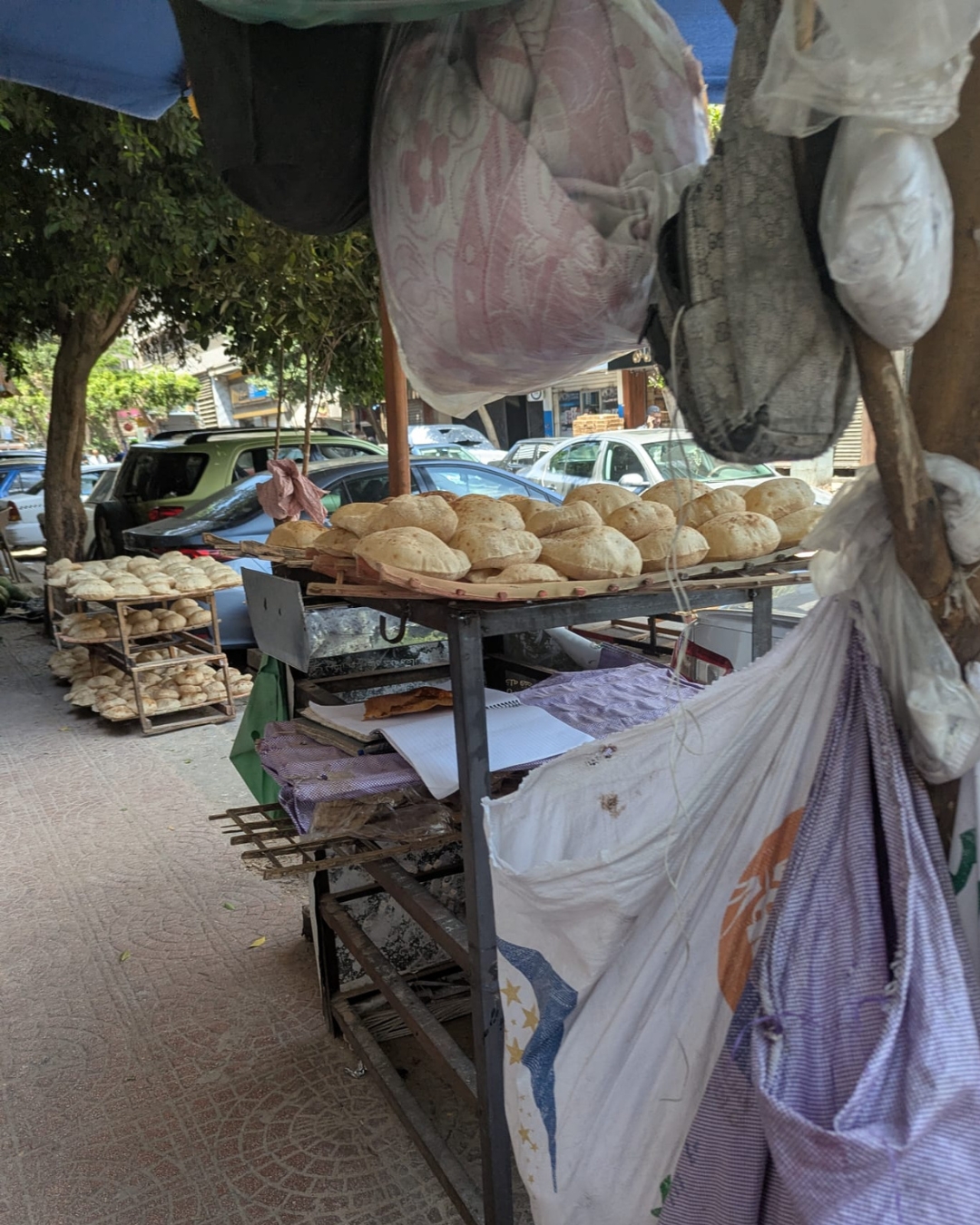
Agriculture was not peripheral to civilisation: it was deeply embedded within culture, religion and everyday life. The annual flooding of the Nile deposited nutrient rich black silt across the landscape, transforming the surrounding desert into one of the most fertile agricultural regions on Earth. Bread and beer fuelled daily life and were the backbone of the Egyptian economy. Wheat and barley were grown and stored in communal silos, with harvests meticulously measured by scribes and protected by guards. Bread was so central to Egyptian life that loaf shapes became embedded within the written language itself, symbolising sustenance, offerings and survival.
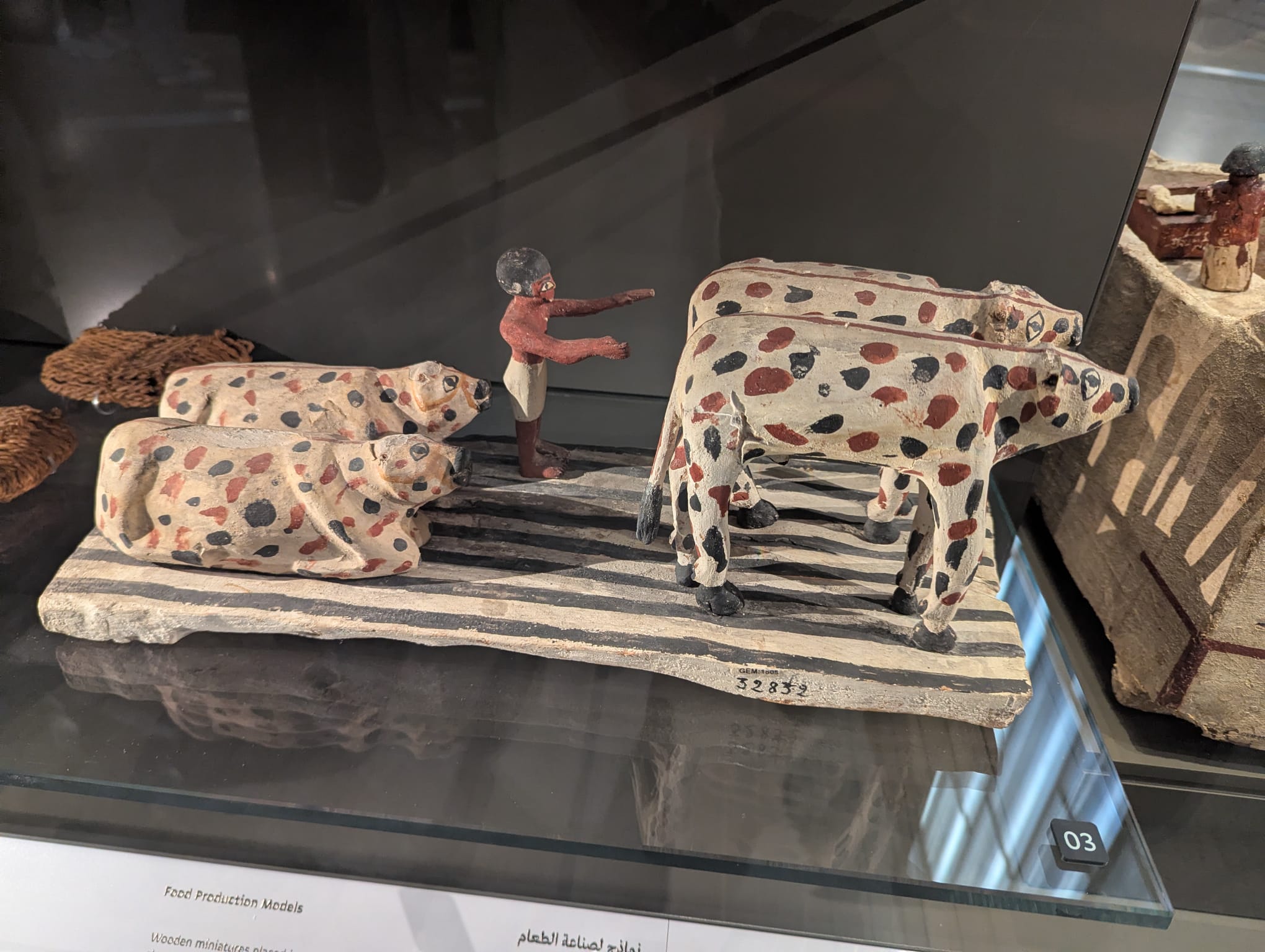
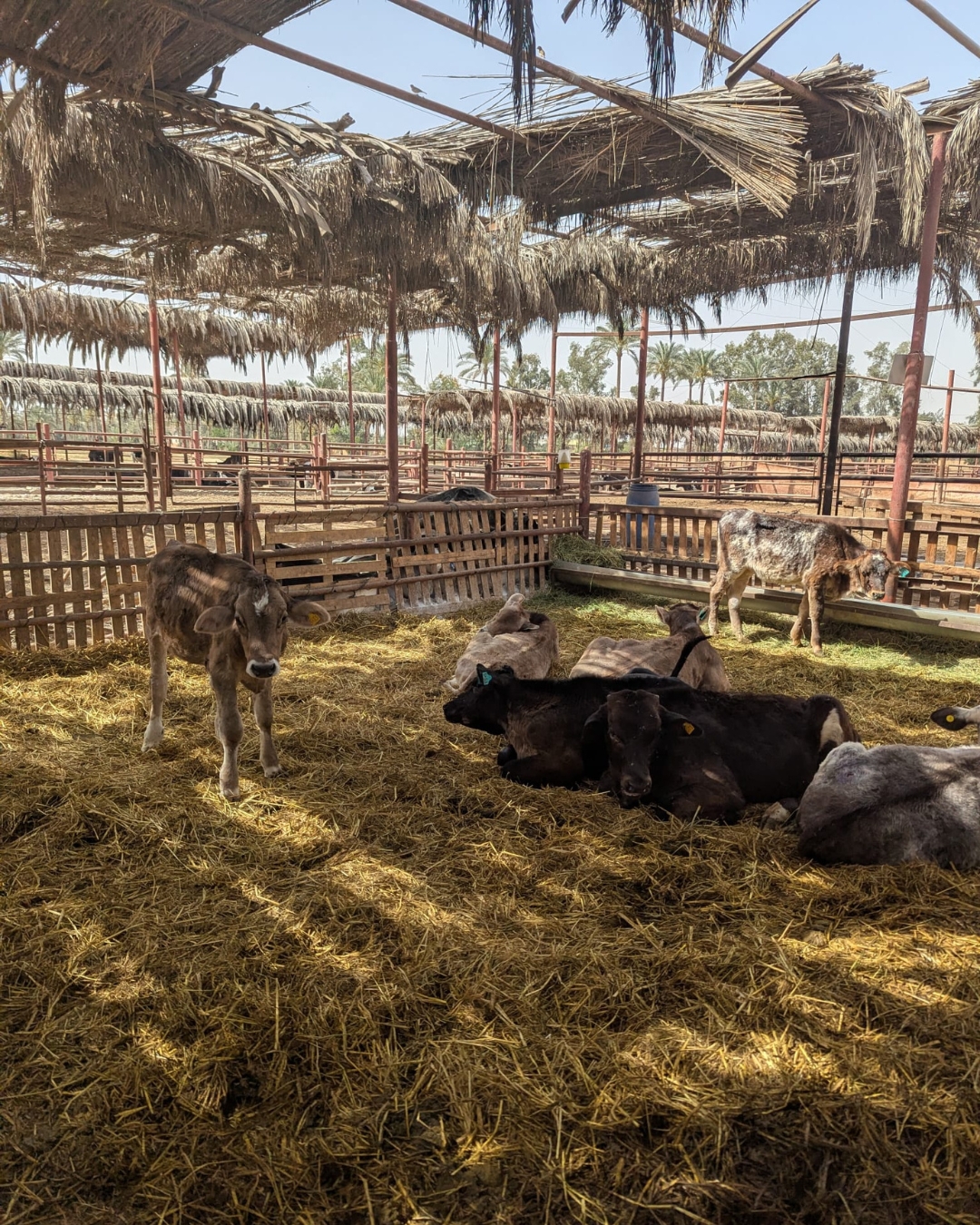
Livestock provided milk, cheese, meat and labour, while cows were sacred to goddesses including Hathor, associated with joy, fertility and love. How do we know all this? Miniatures and hieroglyphs discovered in tombs depict idealised rural scenes of ploughing, harvesting and food preparation. Food was not simply fuel or commodity, but spiritual continuity, with grain, animals and produce buried with the dead to sustain them in the afterlife.