Beacon Farms: Reflections on our first year of school visits

  • 04.11.2025
  • article
  • Beacon Farms
  • Food Education
  • Charlotte Holding

In July 2024, the Sustainable Food Trust (SFT) launched the Beacon Farms Network, bringing together sustainable and regenerative farms acting as educational platforms to inform and inspire young people and adults about the story behind their food.

At present, many of us are disconnected from where our food comes from and how it is produced. In response, the aim of the Beacon Farms Network is to harness the power of ‘seeing is believing’ experiences on farms and increase public understanding of the connections between farming, climate, nature and health with an emphasis on how food can be produced in harmony with nature.

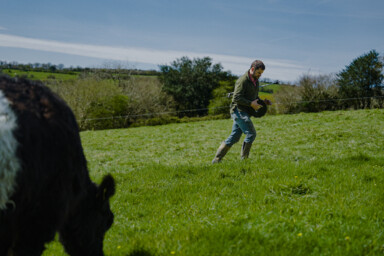
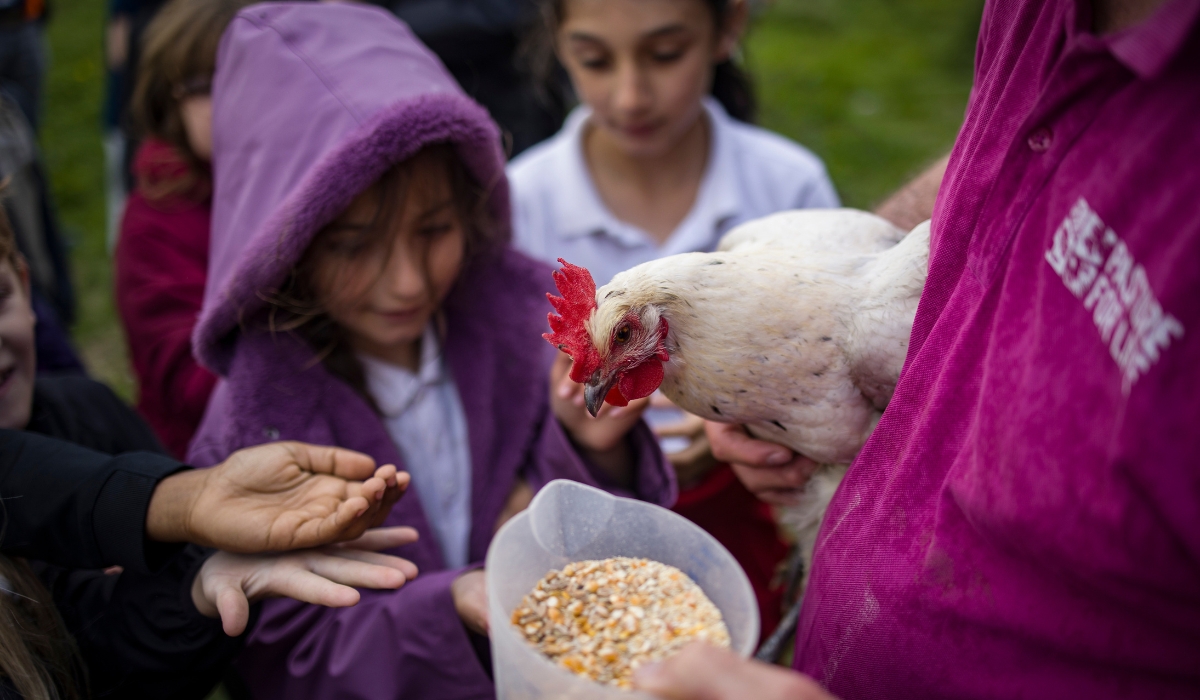
One year on, the network has grown to over 40 farms across the UK, representing a diversity of farm types and locations, with farms hosting events for a wide range of audiences. A particular area of focus for the SFT this past year has been working with The Harmony Project to support farms in delivering school visits using our Beacon Farms resources. From April to October this year, 10 Beacon Farms have delivered 75 school visits for primary aged pupils, engaging more than 1,800 children, many of whom had never visited a farm before.

Why school visits matter

Research shows that time spent in nature can improve mental wellbeing, reduce stress, and increase pro-nature behaviours in young people. Yet many children today have little regular contact with the natural world. Schools have a crucial role to play in taking learning beyond the classroom, and farm education brings subjects to life while strengthening connections with the environment.

At the same time, rising levels of childhood obesity underline the importance of teaching children about fresh, healthy food in a hands-on way. Figures from the Government’s National Child Measurement Programme show that more than a third of primary school children (36%) are already overweight or obese. Giving children the chance to see where food comes from and to taste it on the farm can help encourage healthier choices and build positive lifelong food habits.

Bringing the curriculum to life

Farms are living classrooms, offering opportunities to turn subjects like science, geography and design technology into experiences children can see, touch and taste.

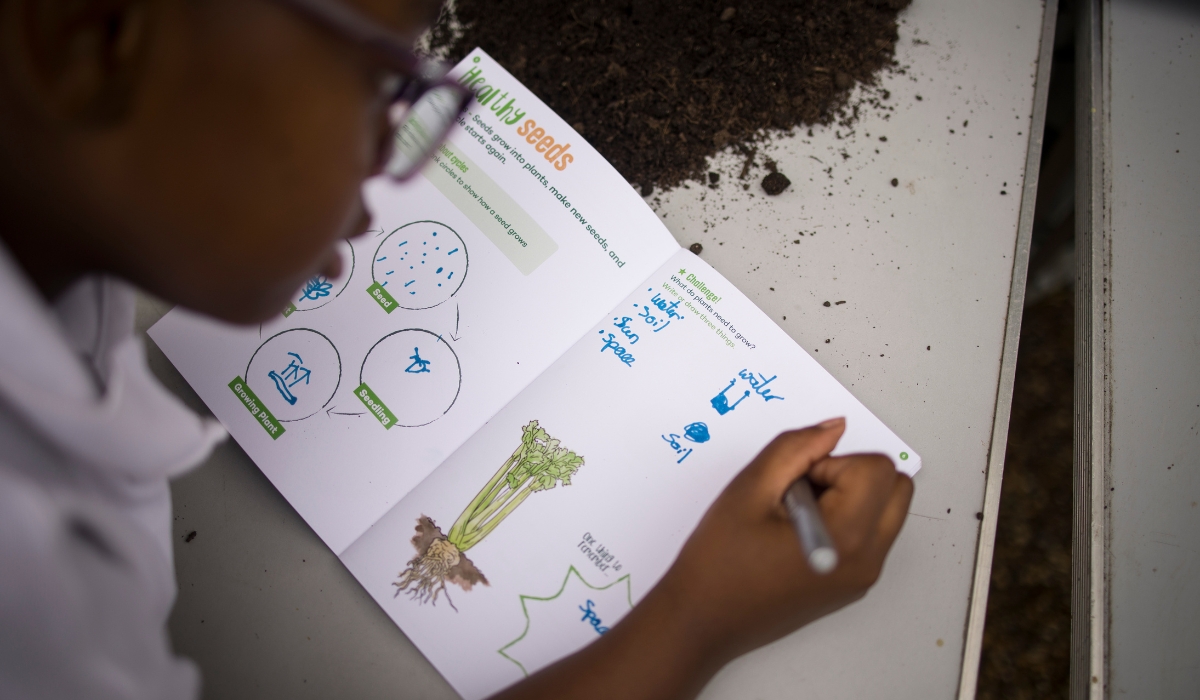
As part of the Beacon Farms schools’ pilot, The Harmony Project team designed a range of curriculum-linked resources, including an activity booklet centered on six themed ‘stopping points’: healthy farm, healthy soil, healthy plants, healthy animals, healthy people and healthy world.

At each stopping point on the farm walk, children got stuck into observing, discussing, sketching, jotting down notes and collecting natural treasures. By the end of the day, each child had created a personal record of their visit – part workbook, part scrapbook – brimming with their own discoveries to take back to school.

For farmers, the booklet gave structure while still leaving space for their own stories. Jenny Lee of Torpenhow Farmhouse Dairy in Cumbria said, “We’ve never had such a helpful, specific plan about what the children will get out of the day. I love this and the six stopping points.”

Teachers also appreciated how the resources deepened the children’s engagement. As one Year 3 teacher put it, “The booklets were engaging and relevant. The children loved making them their own with items picked from nature and their own notes.”

The children’s perspective

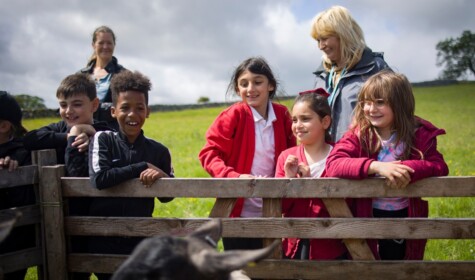
For many pupils, visiting a Beacon Farm was their first time on a working farm. Each visit looked different – some began in the dairy, others in the fields or the orchard – but all shared a sense of discovery.

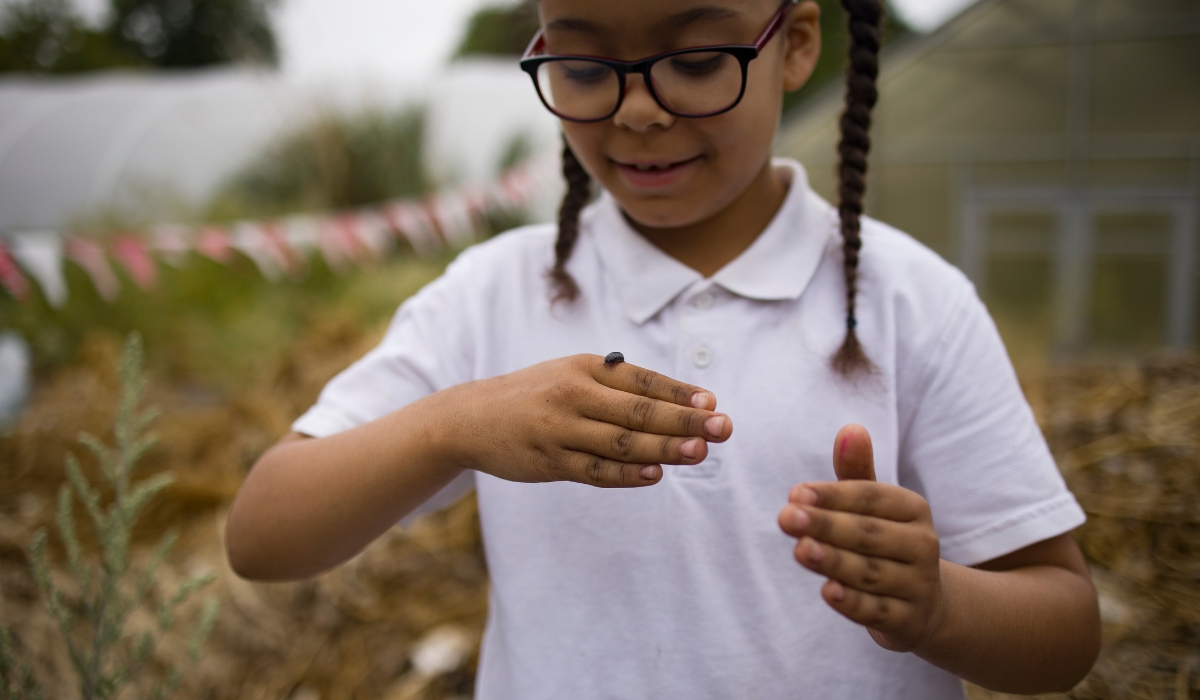
Children crouched low to dig for worms and beetles, while learning that healthy soil leads to healthy plants, which feed healthy animals and people. “Cow poop keeps soil healthy,” said Tess, aged 7. On other farms, pupils held freshly laid eggs, still warm in their hands, or pressed seeds into the earth, amazed that these small beginnings could grow into the food on their plates. “I want to be a farmer NOW!” declared Charlie, aged 7.

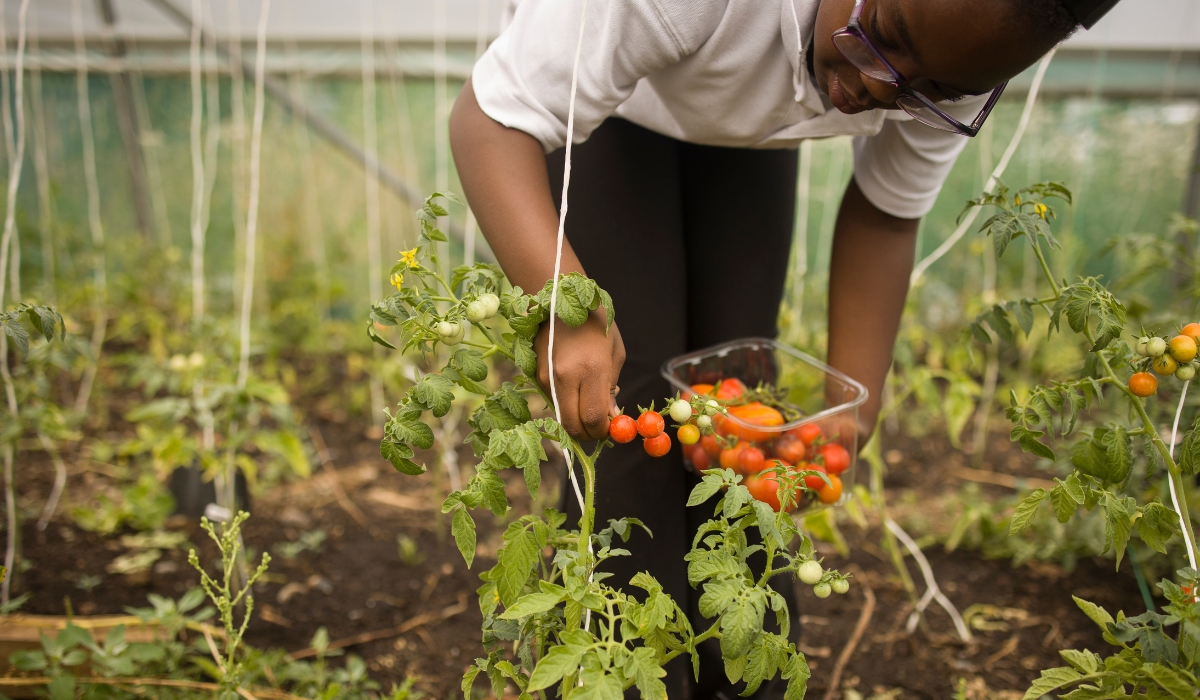
There were pigs to feed, herbs to smell and apples to taste straight from the tree. “Nature is fun,” said Ayesha, aged 7, while Ella-Louise, aged 10, was quick to compare the experience with other outings: “It was so much better than any other trip, we saw chicks being born and we were active all day.”

The reactions were full of surprise, delight and curiosity. As James, aged 9, put it simply: “Today is just as good as my birthday.”

Sharing the story at Groundswell

The network’s achievements were also showcased at Groundswell, the UK’s leading regenerative agriculture festival, alongside other brilliant organisations and individuals working in this space. Amid the buzz of conversations on soil health, biodiversity and the future of farming, a packed tent gathered for the panel discussion “Growing the Future: Children, Food, Farming & Sustainability”.

Richard Dunne, Director of The Harmony Project, spoke with passion about the power of farm-based learning to transform education, sitting alongside Beacon Farmer Alice Pawsey of Shimpling Park Farm, campaigner Olivia Shave, who recently published a white paper on the importance of food and farming education, headteacher Amy Arnold from Barnham CEVC Primary, and Oliver Tyrrell of Euston Estate.

The session captured a wider sense of change in the air at Groundswell: that the future of farming is not only about how we produce food, but how we reconnect people – and especially children – with the land that sustains them.

Gathering at Holden Farm Dairy

July marked round two of the Beacon Farms annual gathering, hosted at Holden Farm Dairy in west Wales. More than 100 farmers, educators, policymakers and young people came together to celebrate the network’s successes, share lessons from the schools’ pilot, and hone our focus for the future.

Across round-table discussions, field walks and shared meals, the energy was one of collaboration and inspiration. Farmers reflected on the joy of opening their farm to children and the lasting impact it can have. Sophie Gregory from Home Farm in Dorset told the group, “Feedback from teachers is that it was one of the best school visits they’ve ever done.”

From London’s Dagenham Farm, Alice Holden spoke about the importance of linking food with lived experience: “These visits have been so impactful, especially when the children get to eat the food at the end.”

The event brought the network together not just to reflect, but to look forward, refining how Beacon Farms can inform and inspire adults and children about the story behind their food.
Looking ahead

The first year of the Beacon Farms Network has demonstrated clear demand from schools and farms for well-structured, impactful school farm visits.

Over the coming year, the Sustainable Food Trust, together with the Harmony Project, will continue to support the Beacon Farms Network, offering opportunities for farms to share knowledge and expertise, and showcasing the brilliant educational work already taking place on farms across the UK.

As we continue to face the multiple crises of climate change, biodiversity loss and worsening public health, connecting people to food production and nature has never been more important. The Beacon Farms Network will continue working to make these opportunities a regular part of education and public life.

Charlotte Holding is Head of Food and Farming Education at The Harmony Project – a UK registered charity working to transform education so that it prepares young people to engage with the environmental challenges we face. The charity promotes a new way of teaching and learning that puts Nature’s principles of Harmony at the heart of education.


Photos courtesy of Jason Taylor.

Graphic separator Graphic separator