The SFT’s Senior Research Officer, Imogen Crossland, highlights the case study farmers featured in our Abattoir Users Survey 2025 report, which provide tangible examples of how abattoirs support diversification, profitability and resilience for farm businesses.
Concerns are growing around the provenance, ethics and sustainability of meat. For those who choose to eat it, knowing how and where the animals have been reared is increasingly important, especially as the environmental, animal welfare and human health consequences of industrial livestock production continue to be made clear. But the opportunity to choose traceable, locally sourced meat is under threat. Across the country, small abattoirs are closing at an alarming rate, with serious knock-on effects for farmers, local retailers and the communities they serve.
Earlier this year the Sustainable Food Trust, alongside the Soil Association and Rare Breeds Survival Trust, surveyed 850 livestock farmers across the UK, many of them operating agroecological systems with native breeds, to understand the importance of small, local abattoirs for their businesses. We asked what the impact might be of further abattoir closures, rising slaughter costs and the loss of key services often provided by smaller abattoirs, such as provision for particular breeds and species, or ‘private kill’, where the meat is returned to the producer to be sold directly to customers.
While the results revealed the importance of local abattoirs for livestock farms of all shapes and sizes, the dependency was greater for some than others, especially among those supplying local markets. If their abattoir were to close, 43% of farmers said they would no longer be able to sell their meat locally, while 29% would consider shutting their meat business altogether. Sadly, the impact of abattoir closures is already being felt, with a third of respondents having seen their local abattoir close in the last five years.
More than half of farmers (58%) believed their business would no longer be profitable without the ability to sell direct or locally. For many, this is because selling through short supply chains, including farm shops, farmers markets and meat boxes, combined with adding value to their meat and other by-products, are integral to their business viability.
The case studies featured in our survey report provide tangible examples of how abattoirs support diversification, profitability and resilience for farm businesses.
Farm retail: Essington Farm Shop, Wolverhampton
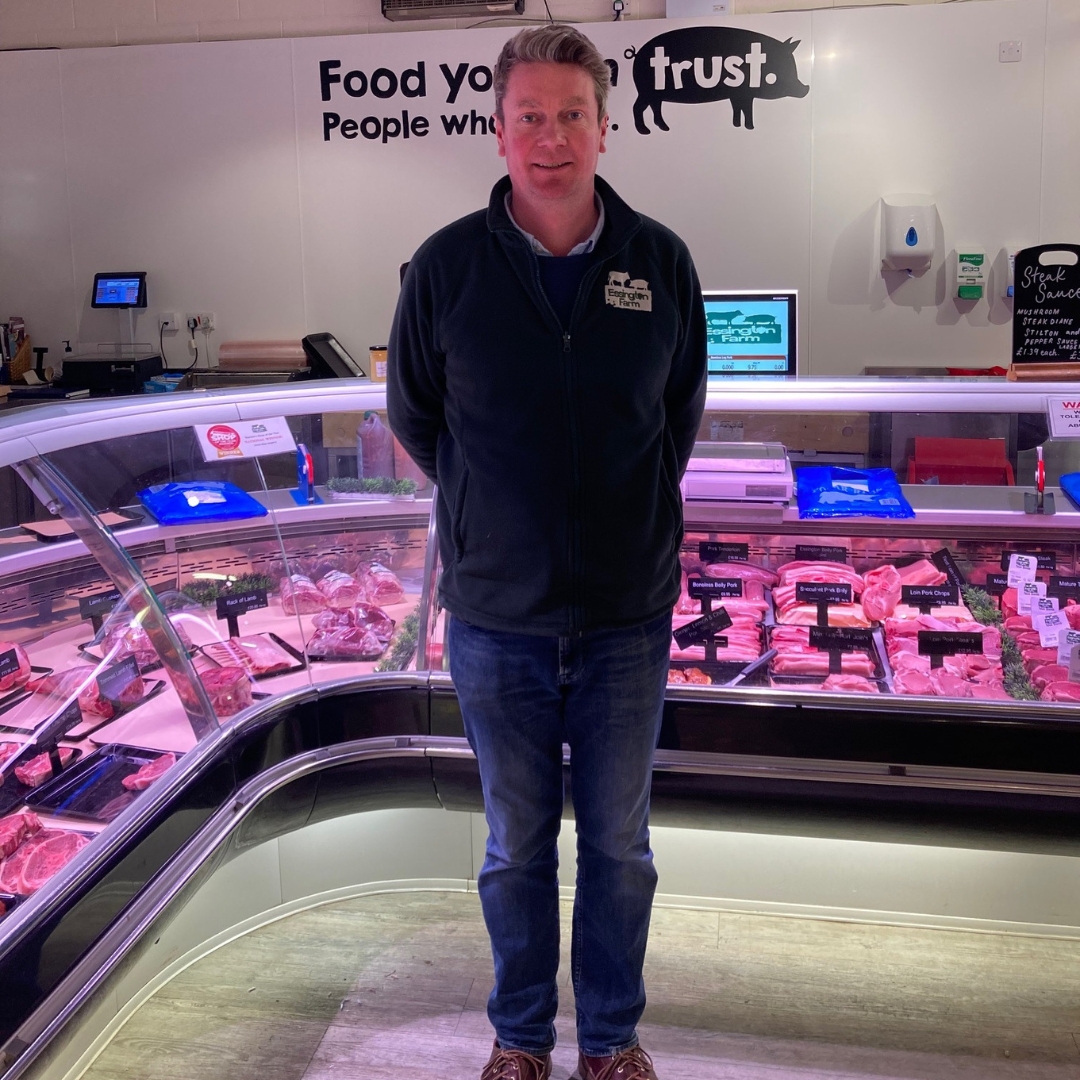
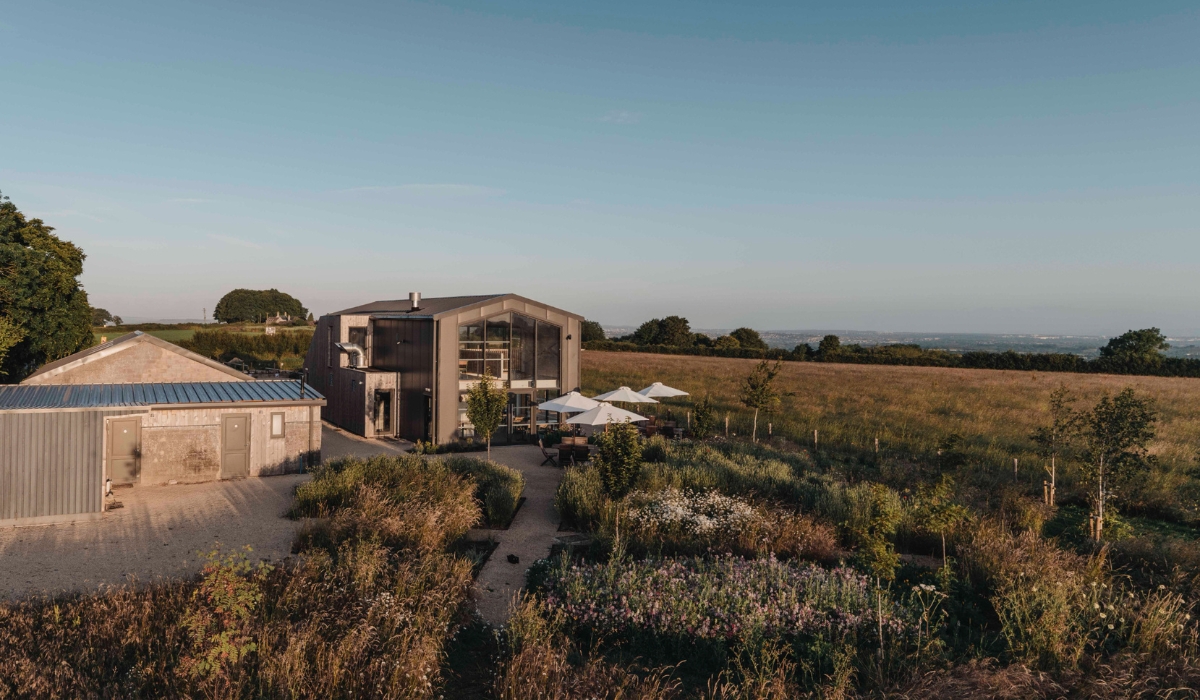
Essington Farm Shop has been retailing quality home-grown produce since 1892. Its award-winning butchery and deli are central to the business, accounting for more than half of its annual turnover.
The farm shop has seen steady growth, with butchery sales rising by 10% year-on-year.
Much of this success is attributed to growing customer concern about how meat is produced, especially around health, environmental impact and animal welfare. Demand for traditional counter service by a butcher has also increased, driven both by renewed interest in home cooking and the limited choice of pre-packed meat products in supermarkets.
Access to their local abattoir is fundamental to the continuing success of Essington Farm’s retail operations. Pigs and cattle reared on the farm, alongside livestock from neighbouring farms, are slaughtered there before the carcases are returned to the butchery for processing. If the abattoir were to close, the impact would be severe, risking the loss of around £2.25 million worth of sales and over 20 redundancies. Essington Farm would effectively lose its ability to meet the strong demand for high-welfare, local meat among the community.