This year, as recognised by the FAO, marks the International Year of Rangelands and Pastoralists. Nowadays pastoralism is associated by many with idyllic ‘country life’. Here, Olivia Boothman uncovers its true meaning and origin, and what we could learn from pastoralist practices to transform our farming systems and to rebuild a sense of connection between people and the environment that supports us.
The BBC’s ‘Race Across the World’ recently featured an episode where the contestants traversed Kyrgyzstan as quickly as possible to make it to their next checkpoint. This contrasts with the intentional and considered journeys that are made across the plains and mountain ranges of Kyrgyzstan every year as pastoralists herd their animals to pastures new. What was portrayed well, however, were the idylls of rural life in this country, sustained by land-based activities. Two young men from Liverpool paid their dues for their overnight stay by helping with the walnut harvest, another team rode on horses to enjoy the vast scenery.
Pastoralism, etymologically, originates from the word pastor, meaning ‘shepherd’. But it has also come to be associated with idyllic ‘country life’. These days though, ‘country life’, in many people’s minds (at least here in the UK), is Hunter wellies, Land Rovers, black and white cows, endless horizons of knee-high golden crops and lambs frolicking in fields demarcated by barbed wire fencing – a far cry away from ‘true’ pastoralism.
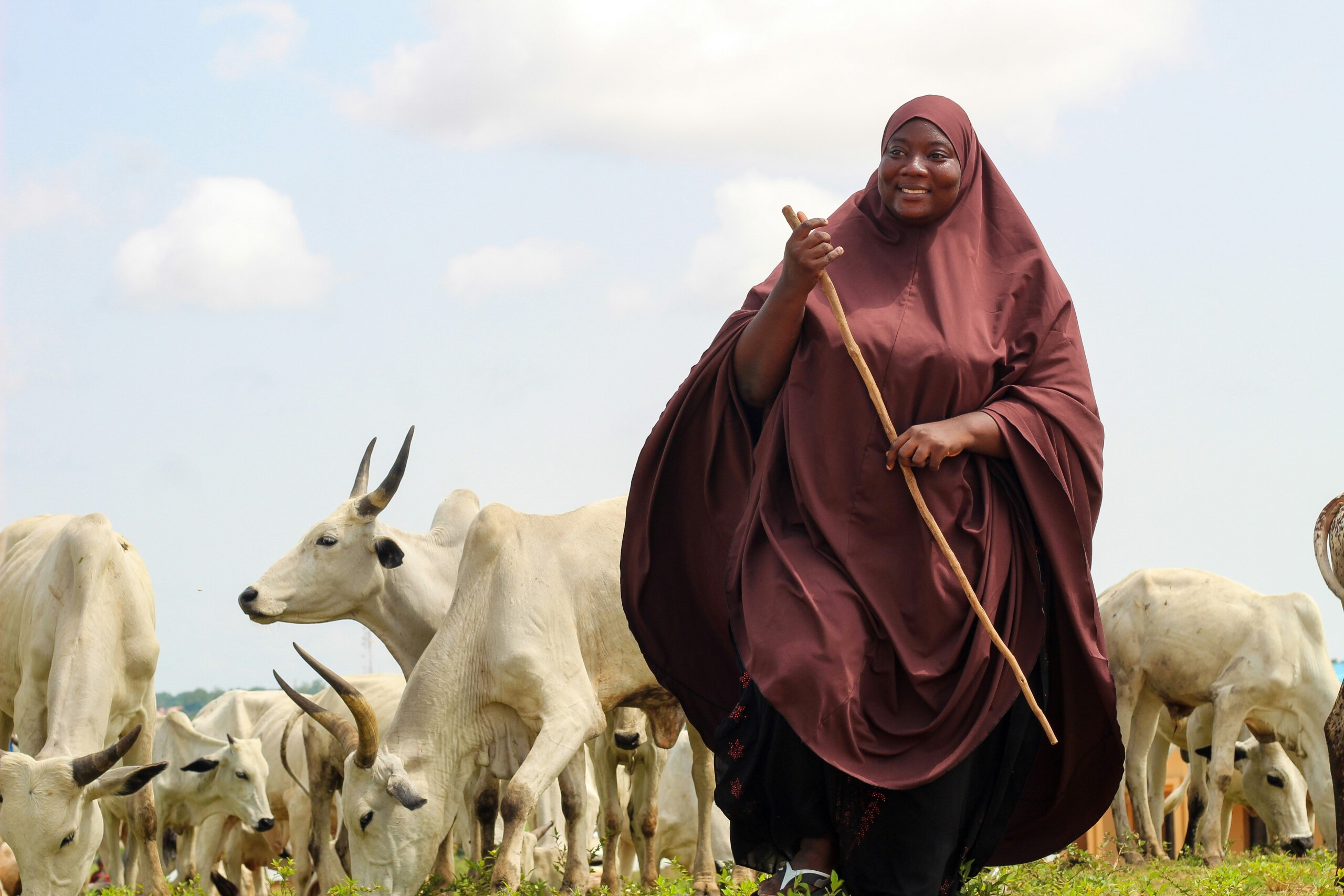
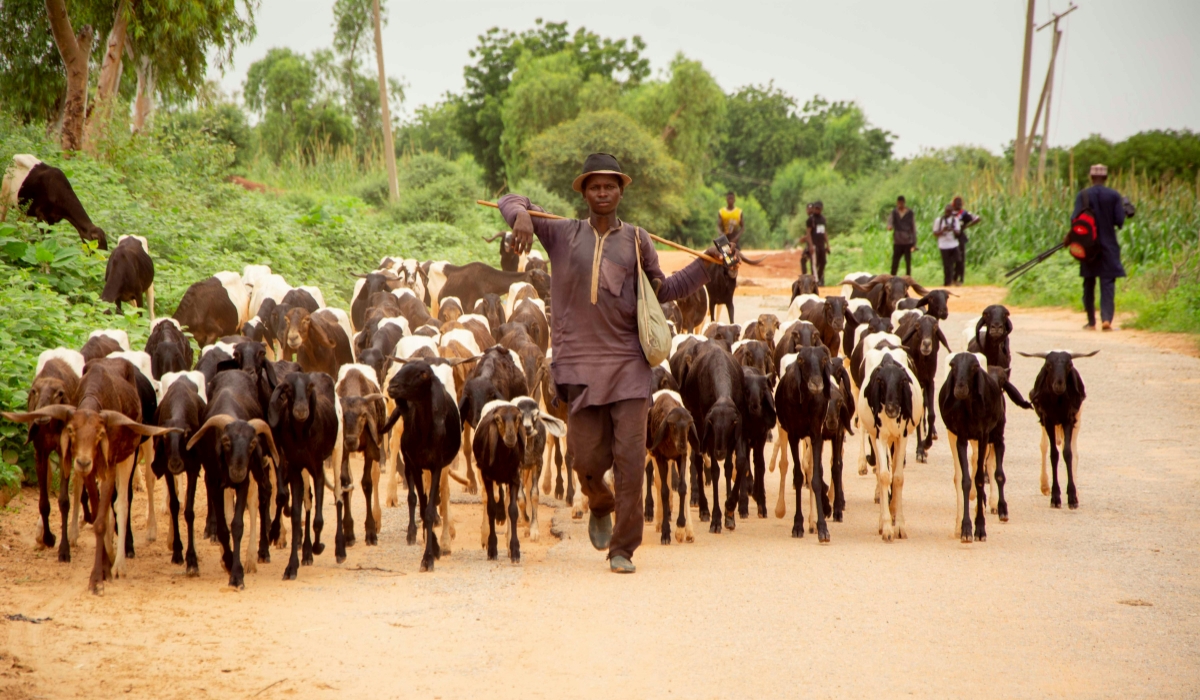
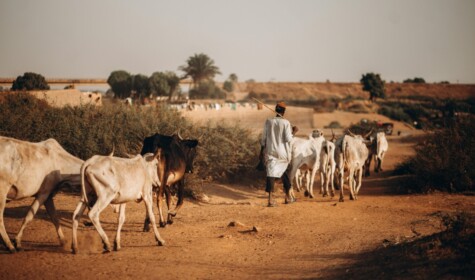
Pastoralists are people whose livelihoods depend primarily on herding domesticated or semi-domesticated animals, which feed mainly on natural rangelands, often involving seasonal or regular movement between grazing areas, according to the Food and Agriculture Organisation (FAO) of the United Nations.
Since, it is no surprise that the FAO is urgently trying to protect them. This is absolutely essential, but more than this, should we be using this ‘International Year of Rangelands and Pastoralists’ to think about what we can learn from pastoralism to inspire our own farming future?