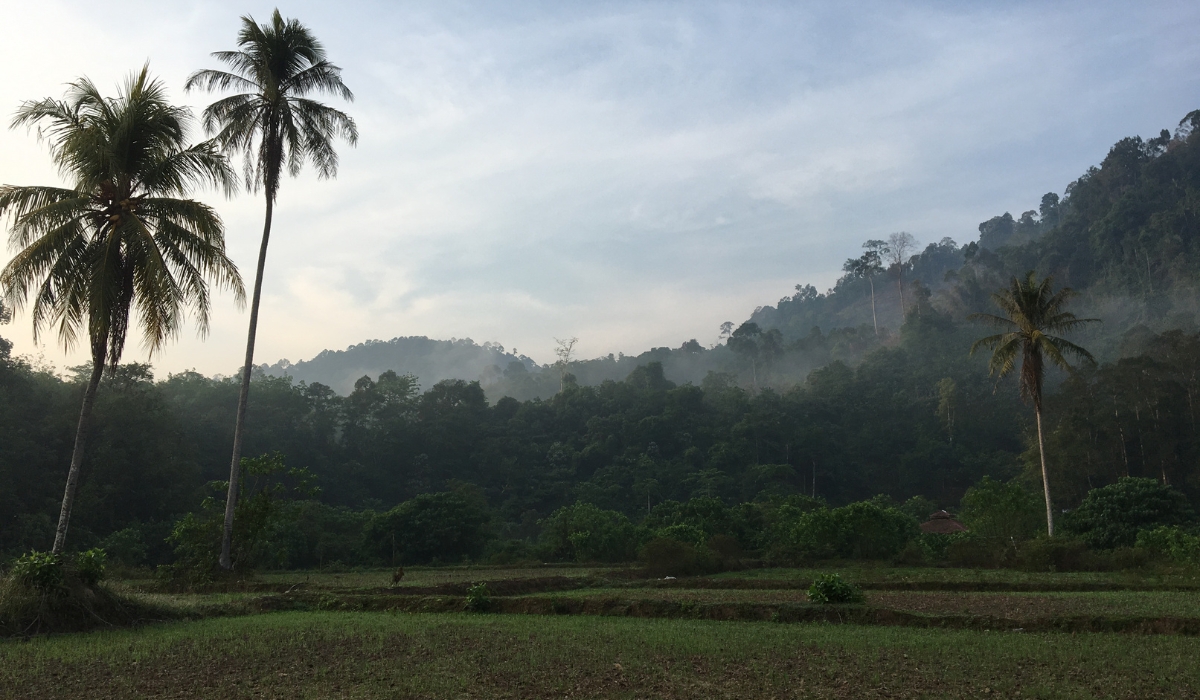
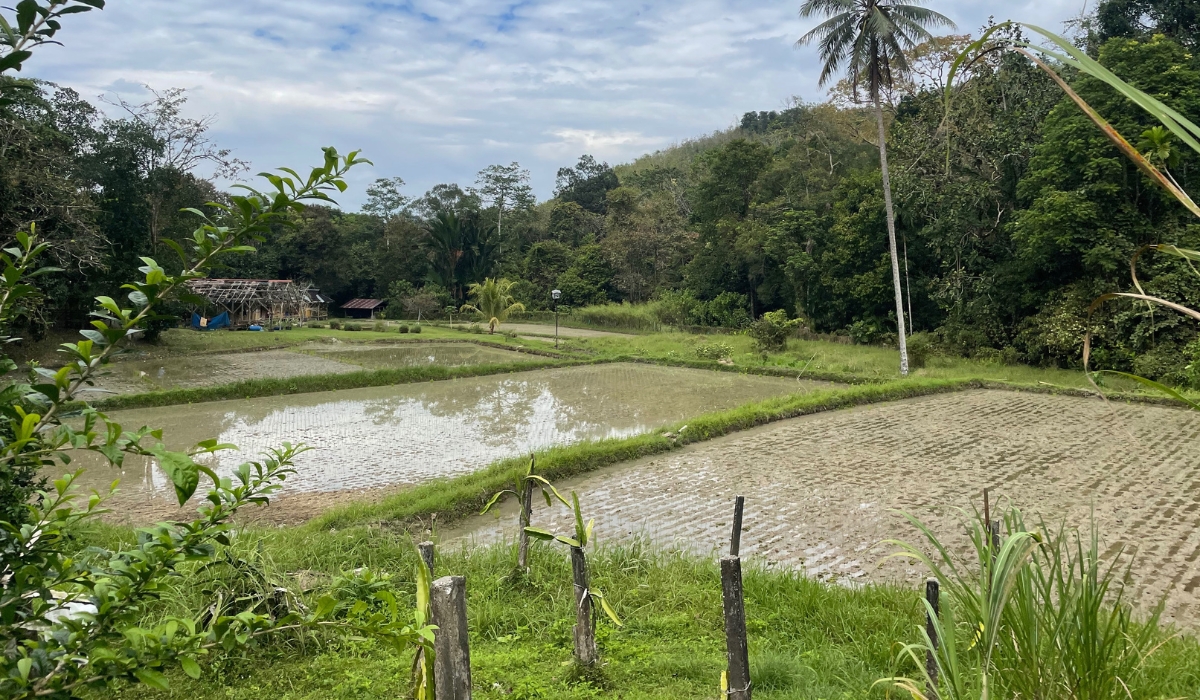
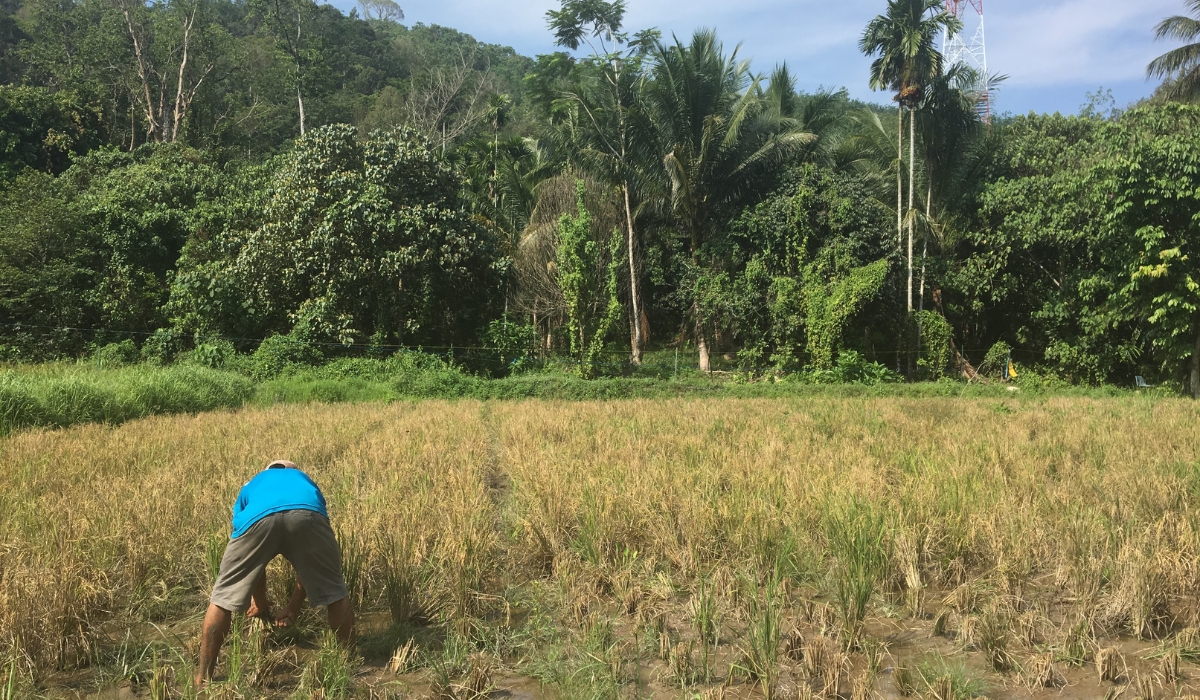
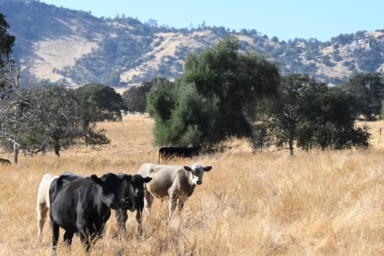
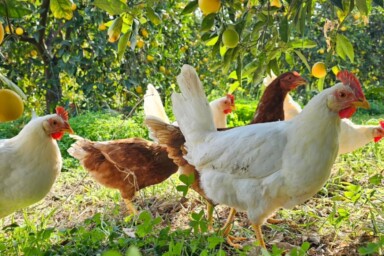
The back plots of grain at Sri Lovely Organic Farm in Malaysia
A brief history of Malaysia’s ‘rice bowl’
The northern state of Kedah has long been known as Malaysia’s ‘rice bowl’ (jelapang padi), providing about half of the country’s rice production today. Rice has been grown here for millennia [p.45], but centralised production was ramped up under the Siamese rule of Kedah in the 19th century. This was largely to feed the tin mines, trading ports, sugar and pepper plantations of neighbouring British Malaya, of which Kedah officially became a part with the Anglo-Siamese Treaty in 1909.
After that, however, a combination of cheap and plentiful rice coming from other British colonies (especially Burma) and the onset of a global ‘rubber boom’ that had (and continues to have) immense consequences on Malaysian landscapes and agriculture, the British rulers largely lost interest in rice from Kedah, and little changed for local rice farmers until independence in 1957. At that point, however, everything changed.
Living with the legacy of the Green Revolution in Malaysian rice
The domestic production of rice – a staple food for most of the population – became a key focus for post-independence Malaysia, and commercial, government-led production, with Kedah at its centre, increased dramatically in the 1960s. Despite some initial resistance from local farmers to the new “miracle rice” IR8 variety (which came out in 1966 and essentially marked the starting point of rice’s involvement in the so-called Green Revolution), the entire Kedah region was eventually transformed to conventional, high-input production systems by the end of the 20th century.
This shift, based on high-yielding modern varieties and synthetic inputs, caused the total volume of Malaysia’s (and Kedah’s) rice production to double between 1970 and the early 2000s.
Unsurprisingly, however, this also brought bigger problems: over the years, soil fertility decreased drastically, and farmers who could not afford the rising costs of chemical sprays and synthetic inputs simply abandoned their land, many heading to the city to find work. Together with ongoing urbanisation and a generational shift away from agriculture (not to mention the expansion of water-thirsty rubber plantations, which in addition to deforesting large swathes of land, have killed off much of the rich diversity of natural plants on which many communities, both human and ecological, previously relied), rural depopulation has been pronounced in these areas.
Innovation and adaptation – applying a System of Rice Intensification (SRI) principles at Sri Lovely
In response to this setting, after several years spent clearing the former farmland area which had been abandoned for over 30 years and observing what species grew or lived in the area, Captain set about establishing the farm in keeping with its surroundings as best he could. Working first on reviving and regenerating the soil, Captain began helping to restore natural soil ecology by selecting for some plants and animals, allowing the spontaneous dispersion of others. He then focused on the rice, favouring heritage varieties and traditional species (acquired from a local seed bank) that are better suited to Kedah’s conditions.
Following the principles of SRI (a low-input system of rice production first developed by French Jesuit monks in Madagascar, then codified and championed by Norman Uphoff of Cornell University), young rice seedlings are planted individually in a meticulously measured grid pattern (at least 25 cm apart), limiting nutrition competition between the plants while ensuring ample space, air and sunlight for each one.
This system, which has been applied all over the world, often results in a much higher yield per plant (if occasionally lower yield per plot) than conventional systems. More importantly, it requires drastically fewer inputs: up to 90% less seed, half as much water usage, and less need for chemical fertilisers.
At Sri Lovely in Kedah, what Captain also likes about SRI is that it encourages adaptation to particular settings and environments. Farmers used to be great innovators, he says, but we’ve “become lazy” because synthetic inputs take away the need to innovate or improvise.
When it comes to pest management, for example, Captain finds the best way is to “let the pests kill each other”. A number of selected plants, which attract certain types of insects, are planted as a ‘perimeter’ around the rice, maintaining a more natural equilibrium of predator-prey relationships and diminishing the risk of any one particular pest damaging the rice.