Once a thriving UK industry, leather production in the UK had all but disappeared. So why are global luxury brands suddenly so interested in it again and what does it mean for fashion (and farmers)? Brodie Crouch investigates.
Not that long ago, leather was a fairly ubiquitous part of our lives and wardrobes, used for everything from sofas to shoes. The rise of cheaper synthetic materials and overseas textile manufacturing however, quietly changed that, wiping out demand and with it, the tannery businesses that converted raw hides into leather.
The result? Many hides in the UK are now either shredded, fed into biodigesters, or dumped in landfill. There’s a tragedy here in the waste itself, but also in the loss of jobs and a once vibrant British industry. There is also the sizeable knock-on impact on the UK’s local abattoir sector – a vital part of a secure UK food chain already in steep decline. Lose the abattoirs and you lose access to local meat, protected provenance and more local jobs – not to mention the impact on animal welfare when livestock are forced to travel miles to slaughter. Read more about the importance of why local abattoirs matter here.
Be all that as it may, industries and technologies change with the passage of time, and with it, the jobs we do and how we live – societies have never been static things. We only need to look to AI to know that. Which brings us to the question of whether and why we should care about the decline of British leather at all? Is it an industry that has run its natural course and if so, why are luxury brands such Mulberry suddenly fanning the flames of a revival? What would a revival even look like?
What we do know, is that British leather in 2026 still faces the same economic headwinds that first drove its decline. It also faces sustainability criticisms, not to mention its links to meat consumption. There are broader concerns too around leather in any context, with global supply chains linked to deforestation, poor animal welfare, toxic working conditions and climate impacts. A recent academic journal article published in ACS Sustainable Chemistry and Engineering highlights the global average emissions attributable to one kilogram of finished bovine leather product is more than twelve times higher than vegan alternatives.
But before you reach for that pair of pleather trainers, there is a more nuanced story to tell. What if we could create leather products in Britain made from hides that would otherwise go to landfill, with complete farm-to-product traceability, and where supplying farms maintained the highest standards of animal welfare? What if the cattle grazed species-rich pastures that supported biodiverse landscapes, and the resultant hides were tanned using traditional vegetable-based methods instead of conventional (damaging) chromium approaches? What if using those hides were to support a reduction in the climate impact of our food system, create jobs and support a devolved food and farming system that would underpin increased food resilience for all of us? Is it all an impossible dream?
“What if we could create leather products in Britain made from hides that would otherwise go to landfill, with complete farm-to-product traceability, and where supplying farms maintained the highest standards of animal welfare?”
Utilising a network of pasture-based cattle properties, a local abattoir, and a traditional tannery, British Pasture Leather (BPL) has demonstrated that this is in fact, already very much a reality. In a unique partnership with Mulberry, the leather is already being expertly crafted into high-end products in Mulberry’s Somerset factories.
BPL is not alone. Wiltshire farmer Andy Rumming is using leather from his beef cattle to, even offering on-farm workshops for people to make their own shoes.
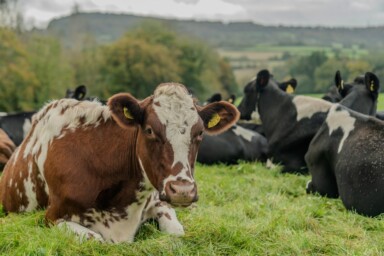
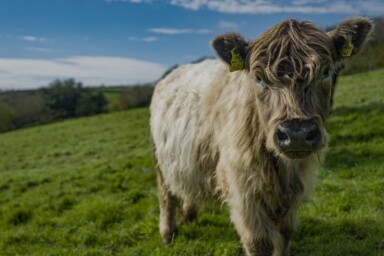
The production systems from which these hides come are not new; rather they follow a style of cattle farming that has been practiced for generations in Britain; species-rich grasslands grazed by native breeds, interspersed with hay meadows, hedgerows and woodlands. The farms produce high-welfare, high-quality, grass-fed beef and premium value hides.
And the tanning process? Famously rich in toxic chemicals that pose a threat to people and planet, are heavy on the water usage and create plenty of difficult to deal with waste, the industrial leather process faces significant and justifiable criticisms that haven’t gone away.
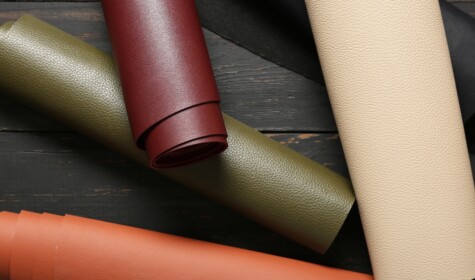
In small UK tanneries such as Thomas Ware and Sons in Bristol (used by BPL), and Great Cotmarsh Farm in Wiltshire however, things look rather different. Here hides are transformed by highly skilled craftspeople into premium leather using centuries-old methods. In stark comparison to the conventional chromium-based tanning approach that takes a day, naturally occurring tannins from vegetable matter (like the bark stripped off branches) tan hides over a period of a year. These traditional approaches also remove chromium from the equation, decoupling production from the problematic mining of raw chromium ores.
Separating supply chains – industrial from craft, and then communicating what that difference is and why it matters, is the next crucial step in this story if it is to be a successful one. Upon this narrative, rests the foundation for demand and justification for an inevitably higher price-tag.
Robust proof is equally crucial, and this is perhaps where the Global Farm Metric can really make a difference: a measurement framework that allows us to look more accurately at the environmental and social sustainability of different farming practices. In the context of a re-emergent leather industry, this would help brands to source traceable leather from farms demonstrating positive outcomes for biodiversity, animal welfare and climate. The proof not only justifies the price tag, but will only become more important as scrutiny over sustainable sourcing increases, both in fashion and beyond. It is only with such evidence that that this British leather will be able to show its true value, and convince the buying public that this is a product that they can both invest and trust in.
Find out more about British Pasture Leather here. And for more about local abattoirs and why we need to protect their future, click here.