What’s in your food and how can you eat better? In this series, we look at some staple meals, considering what’s good for you and what’s maybe not – and how you can turn them into dishes that are healthier, better for the planet and alive with flavour.
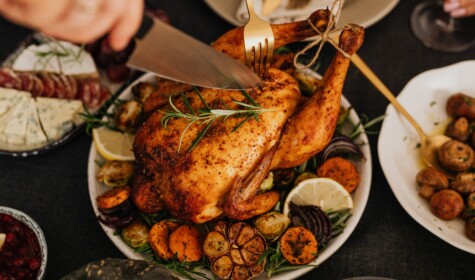
Chicken is a staple in almost every British kitchen, and roast chicken is a ubiquitous Sunday lunch. But over the decades, what was once a weekly family treat, has morphed into an obsession.
In the UK, over a billion chickens a year are consumed, and as we feast endlessly on ‘cheap chicken’, significant damage is being done to the environment, not to mention the lives of the chickens themselves. The rivers Wye, Lugg and Usk are currently at risk due to the pollution caused by the industrial chicken farming along the spread of this territory, and more broadly, chicken farms have been spreading across the country, leaving, for the most part, a trail of poor practice.
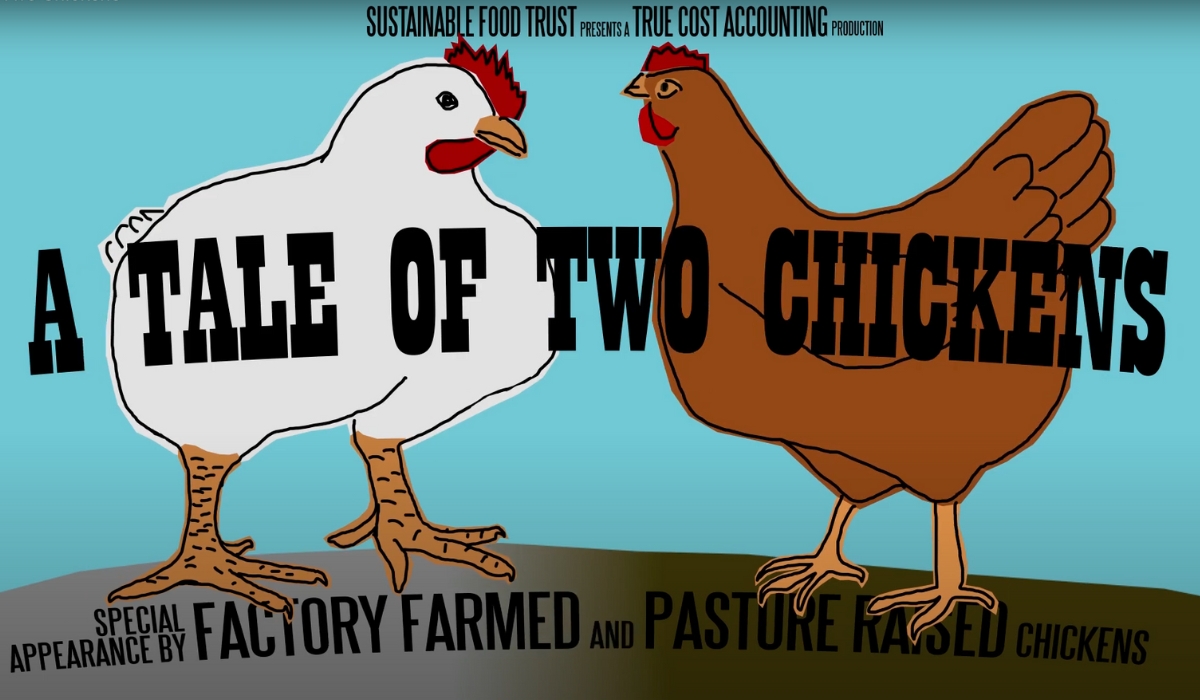
So, what can we do to both preserve the value of the chicken we enjoy, whilst also giving them a decent life, even if it’s a short one? Over the years, standards for chickens have improved, but there is still a very long way to go. If you care about the welfare of chickens, which we all should, take some time to find out about the varying standards. For the most part, broiler chickens live short and pretty miserable lives – over 90% of broiler chickens are from intensive systems where they are bred to grow quickly (often suffering from this), given no access to the outdoors and killed within 35 days.
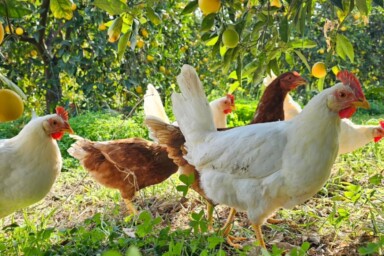
Because of this and because free range systems, while better, still aren’t great, organic is the best option if your budget allows. Organic chickens have a slightly longer – and definitely a better – life. You can also buy direct from farmers who are prioritising animal welfare and agroecological farming practices – while they may not have gone down the organic certification route, they may still be producing top quality chicken from birds that have led better lives. Find a poultry producer or a butcher that values smaller scale chicken production for what’s likely to be a much tastier chicken.